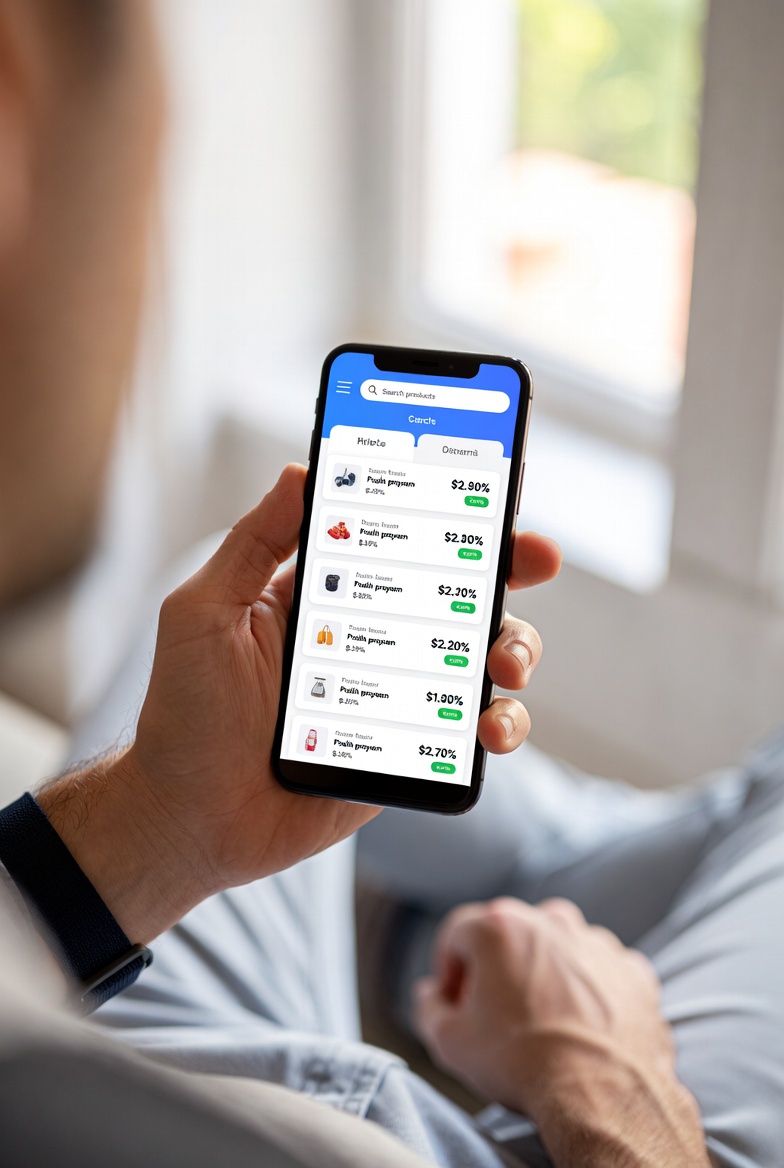
Prices change constantly. On Amazon India, a product price can shift 3–4 times in a single day. You check it in the morning, it looks good. By evening, it's ₹800 cheaper. You missed it.
That's the core problem with manual price-checking. It doesn't scale. This guide covers how price tracking works, why it matters, and which tools actually help.
Why Prices Change So Often
Dynamic pricing is everywhere. Amazon, Flipkart, and most Indian e-commerce platforms use algorithms to adjust prices based on demand, competition, stock levels, and time of day.
A phone listed at ₹15,999 in the morning might drop to ₹13,499 for two hours around 2 PM — then bounce back. That window is easy to miss if you're not watching.
Seasonal sales add another layer. Platforms inflate MRP weeks before a sale, then show a "discount" that's barely real. A DataWeave 2024 study found that smartphones had only 2.8% real additional discount during Amazon Prime Day, beyond the regular price. Earbuds fared better at 14.7%.
What Price Tracking Actually Does
A price tracker monitors a product 24/7. You set a target price. The tool alerts you when that price is reached. No manual checking required.
Here's what happens behind the scenes:
The tracker scrapes the product page every few minutes or hours
It records each price point and builds a price history graph
When the current price hits your target, it sends an alert — via email, app notification, or Telegram
You click the link, see the price is live, and buy immediately
The key advantage: speed. Price drops often last only a few hours. Manual checking almost always means you're too late.
Price History: The Most Useful Feature You're Ignoring
Price history shows you the real story. Before you buy anything, check how the current price compares to the product's lowest price ever.
If a product is "30% off" but it's been at that price for six months, it's not a deal. If it just dropped from ₹18,000 to ₹12,500 for the first time in a year, that's worth acting on.
Tools that show price history clearly:
PriceHistory.app — clean graphs, works for Amazon India products
BuyHatke — browser extension, shows history inline on product pages
Enter your target price — usually 10–20% below current price
Choose your alert channel: email, push notification, or Telegram
Wait. The system watches the price and pings you when it drops
You can also paste a product URL directly and get alerts for anything on Amazon or Flipkart. See how it works.
What to Do When You Get an Alert
Act fast. Price drops — especially deep ones — often last just a few hours. When your alert fires, check a few things before buying:
Is the seller verified? Check ratings and return policy.
Is there a bank offer or cashback available? These stack with the discounted price.
Is it a flash sale item? If yes, add to cart immediately — stock runs out fast.
Don't overthink it. If the price is at your target and the seller checks out, buy.
Price Tracking for Sale Seasons
Sale seasons are tricky. Big Billion Days and Great Indian Festival drive huge traffic, but not every deal is real. The best strategy is to set alerts before the sale starts.
Track your target products 2–4 weeks before the sale. This gives you a baseline price. When the sale launches, you'll know instantly if the "sale price" is actually lower than the pre-sale price.
Check out our deals page to browse products already being tracked by other users.
Free Press Journal reported that MRP inflation before sale events is a common pattern. Price history is your best defense against it.
Which Tool Should You Use?
Different tools suit different needs. Here's a quick comparison:
DetectaDeal — best for Telegram alerts + AI-matched deals across categories. Join free.
BuyHatke — best browser extension for inline price history on Amazon/Flipkart
Flipshope — solid for coupon discovery + price tracking combo
Most heavy deal hunters use 2–3 tools together. DetectaDeal handles alerts. BuyHatke handles quick history checks while browsing.
Frequently Asked Questions
What is price tracking and how does it work?
Price tracking means monitoring a product's price automatically over time. A tool checks the product page regularly, records the price, and alerts you when it drops to your target. You don't have to check manually — the system does it for you, 24/7.
Is price tracking legal in India?
Yes, completely legal. Price trackers read publicly available product pages — the same pages you visit when shopping. They don't bypass any security or access private data. Tools like BuyHatke, Flipshope, and DetectaDeal all operate within normal web usage.
How much can I save using price tracking?
It varies by product and timing. Electronics shoppers typically save ₹1,000–₹8,000 per purchase by waiting for genuine price drops instead of buying at the current price. Catching a product at its 6-month low can save 15–30% compared to the price on any given day.
Do prices really change that often on Amazon India?
Yes. Amazon India updates prices algorithmically — sometimes 3–4 times a day for popular products. Categories like smartphones, laptops, and headphones see the most volatility. That's why manual checking is unreliable and automated alerts are so useful.
Which is better: price alert or waiting for a sale?